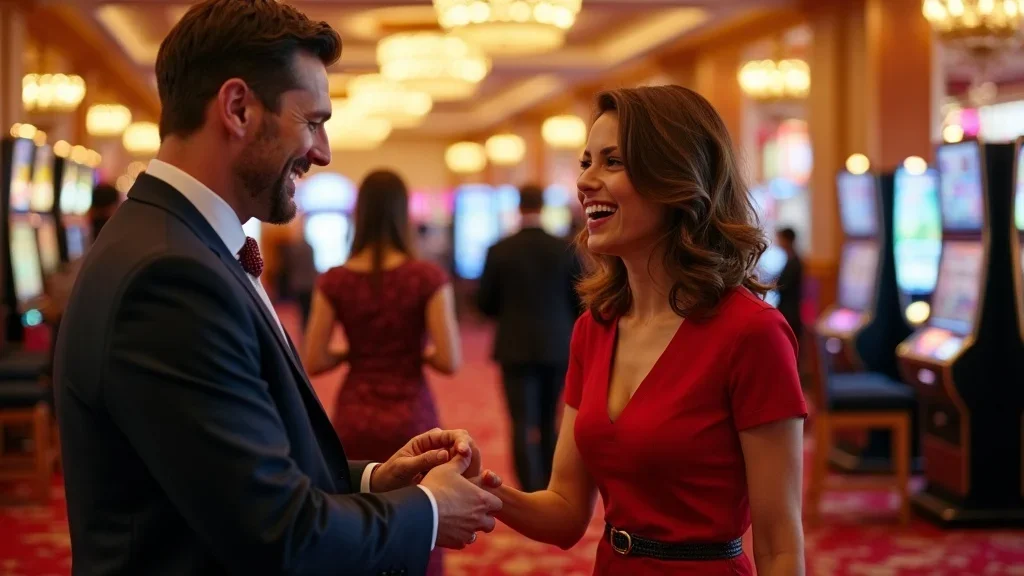
Imagine walking into a casino where every smile feels like a warm welcome. That’s Las Vegas hospitality, an invisible force turning visitors into loyal customers. Far beyond the casino floor, this service-first culture quietly powers startups, local businesses, nightlife, and entrepreneurship across Southern Nevada. If you want to thrive here, you don’t just need a business plan, you need a mastery of experience, reputation, and relationships. Let’s explore how the las vegas hospitality business culture shapes every corner of the city, and what you can learn from its service-driven success.Imagine Walking Into a Casino Where Every Smile Is a Welcome, The Unseen Power of the Las Vegas Hospitality BusinessChallenge the stereotype: Las Vegas is more than just casinos and tourism.Insider perspective: How las vegas hospitality business shapes every corner of the city.Unique service expectations: Why local businesses operate differently.Primary keyword introduction: Explore why las vegas hospitality business is foundational to growth and competition.What You'll Learn About Las Vegas Hospitality BusinessHow hospitality became the cornerstone of las vegas business cultureWhat makes service standards and relationship-building critical for successHow different neighborhoods cultivate unique business cultures shaped by hospitalityActionable insights for entrepreneurs entering the las vegas hospitality business landscapeHospitality Is Las Vegas's Real Business Language: The Foundation of Every Hospitality Business in NevadaIn Las Vegas, hospitality isn’t just a sector, it’s the city’s core business language. Wherever you go in Southern Nevada, you’ll find that customer service isn’t just practiced, it’s instinctive. Walk into a locally owned bakery in Summerlin, a tech startup’s shared workspace Downtown, or a busy real estate office in Henderson, and you’ll notice a familiar feeling: every interaction is elevated by a standard of care shaped by world-class resorts and international expectations. This culture trickles down from the Strip's legendary luxury service, influencing even the smallest neighborhood businesses in the wider business in nevada. Whether you’re a first-time visitor or a local entrepreneur, understanding this hospitality-first mindset is often the difference between fleeting business and long-term success.What’s remarkable is how reputation and responsiveness become currency here. In a city renowned for its hospitality, word of mouth moves quickly, sometimes faster than any official marketing campaign. This creates an environment where professionalism isn’t just expected, it’s non-negotiable, and every customer experience can either strengthen or weaken your hold in a fiercely competitive market. The ripple effect goes beyond the hotel and gaming industries: it touches every restaurant, event planning business, consultant, and startup. To thrive, companies must seamlessly blend high standards with personal touches, ensuring every guest or client interaction receives the Vegas “wow” factor, whether they’re spending $10 or $10,000.World-Class Service Expectations in the Las Vegas Hospitality BusinessCustomer experience sets the bar for the hospitality business in nevadaReputation and responsiveness as competitive essentials in Las VegasThe ripple effect of hotel service standards on other industriesHow local businesses, from restaurants to event planners, internalize hospitality practices“In Las Vegas, hospitality isn’t just an industry, it’s a mindset that infiltrates every business deal and customer relationship.”How Conventions Shape the Las Vegas Hospitality Business and Broader Business in NevadaWhile entertainment may fill the headlines, it’s the convention business that quietly shapes the long-term rhythm of opportunity in Las Vegas. Unlike most cities where conventions are periodic, here they’re woven into the very structure of business in Nevada. Major trade shows and conferences can change the city’s mood overnight. When CES or SEMA rolls into town, you’ll find hotel rates soaring, restaurant reservations going scarce, and local businesses adjusting schedules and product lines to meet a sudden surge in demand. These event-driven cycles create a dynamic backdrop for the las vegas hospitality business, encouraging an entrepreneurial spirit built on timing, adaptability, and strategic relationship-building. Whether you’re a rideshare driver, a boutique real estate broker, or a food and beverage supplier, conventions mean opportunity, if you know how to prepare and stand out.Conventions also transform professional networking. They draw people from all over the globe, making Las Vegas a hub for international business in Nevada. Instead of relying solely on local connections, savvy business owners position themselves to access new relationships during these high-traffic windows. Service providers, from event planners to IT support and commercial real estate specialists, learn quickly that responsiveness and presentation matter more than ever. This constant flow of visitors keeps local businesses on their toes, fostering a citywide standard that values flexibility, speed, and customer appeal whether a guest is here for entertainment, a trade expo, or something in between.Convention Cycles and Event-Driven Demand in Southern NevadaImpact of major convention cycles on the las vegas hospitality businessHow event-driven surges affect hotels, restaurants, and local service providersNetworking opportunities fostered by the las vegas convention businessLocal adaptations: Making or breaking business based on event timing and demand“Conventions are to Las Vegas what monsoon rains are to deserts, periodic, powerful, and utterly transformative for business in Nevada.”Customer Experience: The Competitive Advantage in the Las Vegas Hospitality BusinessIf you ask any successful Las Vegas entrepreneur to explain their secret, you’ll hear one theme: experience is the real product. Here, customers know luxury expectations, even in everyday transactions. The coffee shop owner in the Arts District, the boutique gym in Summerlin, and the real estate consultant in Henderson all recognize that every client expects a little stagecraft with their service. That means going beyond transactions and investing in relationship marketing, personalization, and a keen responsiveness to feedback. In the Las Vegas hospitality business, it’s not enough to simply meet standards, you’re expected to enchant, remember preferences, and turn routine moments into memorable highlights. This relationship-driven approach, so central to hospitality and tourism, bonds customers and builds loyalty far more effectively than discounts or generic perks.These hospitality principles don’t just apply to traditional tourism industry businesses. Independent service providers, boutique agencies, and even tech startups are reshaping what “customer care” looks like. By adopting luxury-level service, even small businesses cultivate a premium brand identity that sets them apart in a city saturated with options. For Las Vegas entrepreneurs, this means every customer interaction is a chance to deliver something extraordinary: from handwritten thank-yous to lightning-fast responses and transparency when things go wrong. Those who succeed often become the subject of local buzz, a currency that matters as much here as any advertising campaign.Why Service Sets Entrepreneurs Apart in the Las Vegas Business CultureExperience as the true product across hospitality businessesRelationship marketing as a backbone of customer loyaltyLuxury service standards permeating everyday servicesCase examples: From boutique fitness to consulting, las vegas hospitality business means elevating customer touchpoints“Las Vegas customers expect a show, even if the stage is a corner coffee shop.”Nightlife Culture and Its Unique Role in Las Vegas Professional NetworkingBusiness in Las Vegas has its own pace, set in part by a nightlife culture unmatched in the country. When most cities wind down, deals in Las Vegas often haven’t even started. Rooftop lounges, stylish bars, and entertainment venues double as networking arenas, spaces where entrepreneurs, service providers, and investors exchange ideas and build relationships. These aren’t just social hours. In the las vegas hospitality business, happy-hour mixers, discreet afterparties, and hospitality-driven industry events are strategic opportunities where relationships flourish in relaxed, service-oriented environments. The city’s extended operating hours mean chances for networking don’t end at 5:00 PM, and often, the most meaningful business conversations are sparked over cocktails rather than conference tables.For local professionals, understanding how to navigate these landscapes, knowing when to talk business and when to build rapport, is essential. These relationships, cemented in a convivial, service-first setting, frequently lead to real estate partnerships, startup funding, or creative collaborations that might never occur in a typical office environment. Entertainment venues, karaoke nights, and special events become default professional meeting grounds, reinforcing just how deeply the city’s nightlife is entwined with entrepreneurial growth and the local business in Nevada ecosystem.Las Vegas Networking Culture: Where Deals Are Made After DarkBusiness conversations migrate from boardrooms to rooftop loungesHappy-hour mixers and hospitality-driven industry events as networking staplesEntertainment venues as default professional spaces in las vegas entrepreneurshipHow extended hours and nightlife inform local business development“In Las Vegas, networking is often a midnight affair, success favors those who understand that relationship-building never sleeps.”Table: Key Traits of Las Vegas Hospitality Business by NeighborhoodNeighborhoodBusiness CultureService ExpectationsCommon Business TypesEntrepreneurial IdentityThe StripHigh luxury, fast-pacedGlobal standards, white-glove serviceResorts, luxury retail, entertainment, fine diningBig brand, image-drivenDowntownTrendy, innovative, urbanCreative, personableStartups, coworking, local bars, arts venuesEdgy, risk-taking, collaborativeArts DistrictArtisanal, experimentalPersonal touch, bespoke serviceGalleries, boutique shops, craft eateriesCreative, community-focusedSummerlinSuburban, upscalePersonalization, family-friendlyCafés, fitness studios, salons, consultingRefined, service-drivenChinatownCulturally diverse, fusionAuthenticity, attentive careAsian cuisine, markets, multicultural shopsInnovative, globally mindedHendersonProfessional, residentialAccessible, friendlyReal estate, medical, local dining, family businessesReliable, community-firstHow the Las Vegas Hospitality Business Culture Varies Across NeighborhoodsLas Vegas is not a one-size-fits-all city, its neighborhoods each shape unique business cultures, expectations, and rhythms within the larger hospitality mindset. On the Strip, businesses operate at a dazzling pace, meeting international standards of luxury and service. Here, high-end retail, entertainment, and culinary destinations vie for the attention of a global clientele, translating five-star hotel service into every point of contact. By contrast, Downtown and the Arts District pulse with an energy fueled by startups, artists, and community-driven entrepreneurs who blend creativity with a welcoming, collaborative spirit. Businesses here succeed through personal touch and innovation just as much as polished presentation.Travel to Summerlin or Henderson, and you’ll notice a subtle transformation. In these residential enclaves, service means remembering a customer’s name, greeting families with warmth, and building relationships that last years instead of one-night visits. Chinatown, meanwhile, is a fusion of cultural authenticity and Vegas-level customer care, where diverse business models and attentive service coexist. Across all districts, the through-line remains: the las vegas hospitality business culture expects every venture to understand its audience, adapt to local rhythms, and integrate hospitality into its DNA. What works on the Strip may not connect in Summerlin, but every entrepreneur learns to put relationship-building and customer experience at the center.Professional Atmosphere and Customer Expectations: Business in Nevada’s Diverse DistrictsThe Strip: High luxury and international standards in las vegas hospitality businessDowntown & Arts District: Creative, startup-friendly, community-driven service approachesSummerlin & Henderson: Suburban sophistication with personalized hospitalityChinatown: Fusion of cultural authenticity with elevated las vegas customer care“Each Las Vegas neighborhood offers a distinct flavor of hospitality, what works on the Strip may not fly in Summerlin.”What Entrepreneurs Learn Fast in the Las Vegas Hospitality BusinessIf you want to start a hospitality business in Las Vegas, or any customer-focused business, you’ll find out quickly that success hinges on local knowledge more than generic advice. Relationship-building often means more than any single credential or status. Prompt follow-up and transparency breed the trust that forms repeat business, especially in the fast-moving, feedback-driven environment of the las vegas hospitality business. Your reputation isn’t just personal; it radiates outwards, touching every aspect of your presence, from online reviews to word-of-mouth conversations in gym locker rooms or local cafés. Newcomers soon realize that the standards set by marquee hotels and global events apply across every industry, expectations are high and non-negotiable for those who want to thrive, not just survive.Adaptability is another must-have. Conventions, sporting events, and major shows can upend demand with little notice. Savvy Las Vegas entrepreneurs learn to time their launches, promotions, or product releases to fit the cycles of the city. Consistency solidifies your customer base, ensuring that the “Vegas experience” isn’t a one-off, but something locals and visitors seek out again and again. In the end, it’s these lessons—born from the city’s unique business in Nevada climate and hospitality sector, that separate businesses that become institutions from those that fade out as quickly as they appeared.Crucial Lessons: How to Start a Hospitality Business in Nevada’s Unique ClimateRelationships matter more than statusPrompt follow-up and responsiveness drive trustReputation spreads rapidly, good and badService standards are non-negotiableAdaptability is vital during peak convention seasonsTiming events and promotions to local demand cyclesConsistency in delivery creates loyal customersHow the Las Vegas Hospitality Business Continues to EvolveEven as Las Vegas diversifies beyond gaming and tourism, its hospitality legacy continues to anchor the city’s entrepreneurial ecosystem. Startups, tech firms, and small businesses push the city towards fresh directions, but the “service-first” mentality remains. Innovation is emerging everywhere, from app-based hospitality startups to local food & beverage ventures that combine trendsetting menus with personalized service. The growing presence of remote professionals is fostering new coworking spaces, networking clubs, and hybrid businesses that blend leisure and hospitality in ways that only Las Vegas can. These new business ideas adapt the best of traditional hospitality, attentive care, memorable experiences, and relationship marketing, to a tech-savvy, globally connected economy.The city’s resilience, its ability to reinvent itself through economic research, tourism industry shifts, and evolving commercial real estate markets, ensures that hospitality will always be its defining competitive advantage. As real estate adapts to mixed-use and experiential destinations, and as artificial intelligence starts shaping the future of hospitality, the fundamentals remain: those who deliver experiences, foster real connections, and embody the welcoming spirit the city is famous for will continue shaping the future of Las Vegas business.Future Directions for the Hospitality Business in NevadaFrom gaming to diversified entrepreneurship, broadening business in nevadaRising influence of startups and remote professionals on service cultureFood & beverage innovation and local small business renaissanceHospitality and tourism industry adapting to economic changes and new professional communitiesTable: Hospitality Business in Nevada, Key Differences Between Hospitality and TourismAspectHospitality Business in NevadaHospitality and Tourism IndustryPrimary FocusCreating service experiences for locals and visitorsAttracting, serving, and entertaining out-of-town travelersMain Economic DriverService-based transactions, customer loyalty, local relationshipsVisitor volume and out-of-state spendingBusiness ExamplesRestaurants, cafes, co-working spaces, fitness studios, real estate offices, event plannersHotels, resorts, casinos, travel agencies, tour operatorsKey SkillsetsPersonalized service, adaptability, relationship managementMass marketing, guest satisfaction, event logisticsWhat are the big 5 in hospitality?The “big 5” in the hospitality industry are lodging (hotels, resorts), food & beverage, recreation, travel & tourism, and event management. In Las Vegas, these core areas are especially interconnected, driving opportunities and innovation across every neighborhood from the Strip to Summerlin and beyond. The diversity of the local hospitality business means entrepreneurs often operate at the intersection of several of these sectors, blending skills to stand out in a city known for its high service expectations.Is hospitality a profitable business?Hospitality can be profitable in Las Vegas, but the environment comes with unique opportunities and risks. High expectations, fierce competition, and the importance of reputation mean success depends as much on adaptability and customer feedback as on business requirements and initial investment. Las Vegas’s large visitor volume, event-driven economy, and diverse customer base can provide strong earning potential for businesses that consistently deliver incredible service and create memorable customer experiences.Key Takeaways for Succeeding in the Las Vegas Hospitality BusinessEmbrace hospitality as your business’s foundationPrioritize experiential and relationship-driven customer strategiesLeverage networking outside traditional professional settingsAdapt to event-driven opportunities and fluctuating demandUnderstand the nuances of each neighborhood marketFrequently Asked Questions About Business in Nevada and the Hospitality IndustryWhich industries are most influenced by the las vegas hospitality business culture?Nearly every sector, from real estate and event planning to food & beverage, tech, and consulting, internalizes high service expectations, customer care, and relationship-driven business development.How does the convention economy reshape local businesses?Conventions create dramatic, cyclical shifts in demand for every type of local service, requiring adaptability, event-specific promotions, and strategic networking from businesses of all sizes.Are customer service standards higher in Las Vegas than elsewhere?Yes, the local culture holds businesses to luxury-level standards across every industry. Even small businesses are expected to offer exceptional attention and a personalized touch.What are the main challenges for new entrepreneurs in the hospitality business in Nevada?New business owners must master relationship marketing, maintain consistency during peak seasons, and manage reputation in a market where customer feedback spreads rapidly.Final Thoughts: Why the Las Vegas Hospitality Business Remains a Model for Service-Driven SuccessHospitality is more than an industry in Las Vegas, it’s an identity and a legacyBusinesses that master service, adapt to the city’s rhythms, and foster genuine relationships continue to thriveUnderstanding and adopting this culture is key to succeeding in any las vegas hospitality business ventureStay Connected: Exclusive Local Stories and Las Vegas Hospitality Business InsightsIf you enjoyed this story, why not stay connected? Join Las Vegas Local Unplugged on Facebook and YouTube for exclusive local information. @lasvegaslocalunplugged




Write A Comment