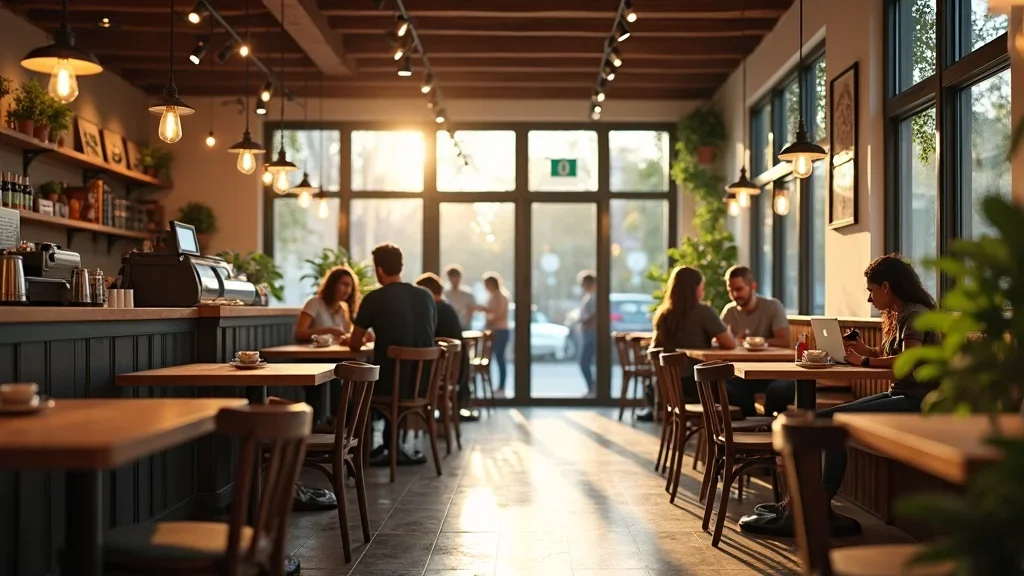
Beyond the dazzling Strip lies a side of Las Vegas that few truly embrace. For those craving authentic experiences, these local weekend activities offer refreshing escapes, memorable moments, and a deeper connection to the city's vibrant soul. Discover why stepping off the beaten path is worth every minute. If your idea of the perfect Las Vegas weekend begins and ends in the bright lights of a hotel and casino, it’s time to expand your horizons. Las Vegas weekend activities reveal themselves in a different light when you wander through local neighborhoods, where vibrant streets, incredible food, and genuine community energy create the kinds of memories you simply can’t find inside a mega-resort. Let’s journey together into the real heart of the valley, where your next unforgettable weekend awaits.Redefining Las Vegas Weekend Activities: Embracing the City's NeighborhoodsMost first-time visitors to Las Vegas map out their weekend from one end of the Strip to the other, missing the lively rhythm pulsing through the city's neighborhoods. But leaving the Strip isn't about giving up entertainment, it's about discovering new dimensions of Las Vegas weekend activities. Every district, from Downtown to Summerlin to Henderson, offers its own unique atmosphere where locals gather, small businesses thrive, and creativity flourishes. The simple joys of outdoor patios, bustling markets, or mingling with friends at a neighborhood brewery are essential to really feeling what Las Vegas is all about. With every weekend, the neighborhoods create new possibilities: rooftop brunches, street art photo ops, spontaneous live music, charming sidewalk cafes, and night markets. You’ll see how the city’s true personality comes alive when you embrace its local energy, making every Saturday and Sunday a chance for adventure.Las Vegas weekend activities beyond the Strip highlight the city’s diversity; one district might greet you with a vibrant arts scene and coffee culture, while another beckons with ethnic eateries, boutique shops, or mural-lit evening walks. These neighborhoods aren’t just alternatives, they’re the heartbeat of Las Vegas, shaping unforgettable weekends with a kaleidoscope of sights, flavors, and friendly community celebrations. Whether you’re a lifelong local or a curious visitor, there’s always something new to uncover beyond the neon Strip.Why Step Away from the Strip? A Gateway to Authentic Las Vegas Weekend ActivitiesThe Las Vegas Strip delivers world-class spectacle, but it’s only a fraction of what the city has to offer. By spending your weekend activities outside the casino district, you experience the warmth and creativity that locals cherish. Walking through bustling neighborhoods gives you a front-row seat to the city’s ongoing transformation, chefs opening experimental kitchens, musicians playing in cozy bars, and artists turning blank walls into living galleries. Authentic Las Vegas weekend activities mean discovering the city’s personality beyond its famous advertisements: from hidden patios and neighborhood breweries to sidewalk conversations in golden morning sunlight.When you venture into these communities, every experience feels personal and every moment has the chance to become a cherished story. Locals and visitors mingle over iced coffee, laugh in line for late-night eats, and celebrate the rhythms of weekend life away from the downtown buzz. Stepping aside from the Strip is less about avoiding crowds and more about embracing the true energy of the city, where the best Las Vegas weekend activities unfold naturally.The Neighborhood Pulse: How Las Vegas Weekend Activities Shape the City’s PersonalityEach Las Vegas neighborhood has a distinct pulse, contributing something vital to the city’s weekend spirit. In the Arts District, sidewalk music mingles with café aromas and the sounds of muralists at work, while Chinatown hums with energy as friends line up for food hall delicacies. Henderson’s Water Street district pulses with laughter from brewery patio gatherings, and Summerlin dazzles with sunset rooftop brunches and outdoor market strolls. The variety of weekend activities showcases why Las Vegas is more than just the resort corridor, it’s a mosaic of neighborhoods, each layering music, food, and creativity into the city’s vibrant personality.These diverse weekend scenes are what give Las Vegas its enduring sense of possibility. Whether it’s coffee at sunrise or sharing evening stories under neon-lit skies, you’ll discover that the most meaningful Las Vegas weekend activities are born from the energy and traditions of its many communities.Downtown Las Vegas Weekend Activities: Historic Streets and Local EnergyAsk locals to describe the soul of Las Vegas and they’ll likely point you Downtown. Beyond casino gaming sits a community humming with local businesses, art installations, and Friday and Saturday night adventures. The historic heart of the city blends vintage sign charm with a contemporary pulse, especially during weekends packed with live music, quirky shopping, and mouthwatering food. Weekend mornings here mean brunching at independent cafes, browsing through open-air markets, and feeling the city’s history echo along every mural and street corner. By midday, Fremont East is alive with street performers and casual crowds exploring free play attractions and street art, giving way to nightlife as the sun drops.Whether you’re seeking top places for music, creative cocktails, or just want to soak up the free-spirited local vibe, Downtown Las Vegas offers an immersive, ever-shifting tapestry of experiences. Every block is an invitation to try something new and each weekend brings a fresh blend of creativity and neighborhood energy.Fremont East: Live Music, Creative Cocktails, and NightlifeOnce largely known for its neon glow and vintage bars, Fremont East now thrives as one of the city’s most creative neighborhoods, especially on the weekends. Step away from casino-heavy crowds and immerse yourself in a walkable zone filled with vibrant open-air bars, bustling patios, and independent performance spaces. Think live music echoing into the street, bartenders crafting one-of-a-kind cocktails, laughter drifting under glowing signs, and groups of locals and visitors sharing plates, stories, and the evening’s energy.The real magic of Fremont East kicks off as twilight descends, an eclectic mix of punk rock, jazz, and indie DJs fill the air, making each visit feel like a new adventure. You’ll often find pop-up events, street food vendors, and art installations changing from week to week, so every Saturday night holds surprises. This district attracts those craving authentic Las Vegas weekend activities beyond what any hotel and casino could offer, and is frequently celebrated as the epicenter of local style, creativity, and community sparkle.Arts District: Murals, Boutiques, and Neighborhood Gathering SpotsThe Arts District is the canvas where Las Vegas paints its most expressive side. Murals burst with color on every block, boutique shops line the streets, and local gathering spots bring together artists, makers, and families for unforgettable weekends. Here you can easily blend daytime shopping with an impromptu gallery tour or lose yourself in a listening bar where new playlists are spun by local DJs. Weekend afternoons fill with sidewalk conversations, food trucks, and the special energy that only comes from a neighborhood grounded in creativity.The district’s weekend markets, a highlight every month, turn parking lots into treasure troves of vintage finds, handmade art, and gourmet street snacks. At any given moment, you might stumble across an outdoor painting session, a comedy show at a tucked-away venue, or even a pop-up music performance. The Arts District is less about frantic tourist pace and more about savoring the spaces where community connects, creative spirits find their rhythm, and every mural becomes a backdrop for your own Las Vegas photo.Morning Markets and Cafe Culture: Starting Your Las Vegas Weekend Activities in DowntownThere’s nothing quite like starting your Las Vegas weekend with the soft buzz of a downtown coffee shop. Picture friends gathering in sunny courtyards, freshly brewed coffee in hand, surrounded by murals and the gentle aroma of pastries drifting from behind the counter. Mornings in this pocket of the city are a celebration of slow living—neighborhood bakeries fill with families, and locals linger over espresso as the weekend unfurls. Early hours are often the best time for finding parking and enjoying a peaceful stroll before the crowds descend.The community’s rhythm is unmistakable: regulars chatting with their favorite baristas, couples poring over newspapers, and Saturday market vendors setting up produce and art in the background. Whether it’s a casual meetup, solo journaling, or a breakfast date, the morning café scene feels welcoming and filled with possibility. From here, your roster of Las Vegas weekend activities is only just beginning.Chinatown to Summerlin: Eclectic Weekend Activities and Dining DiversityCrossing Las Vegas from east to west means encountering a thrilling array of cultures, flavors, and atmospheres, all packed into neighborhoods with their own weekend personalities. Chinatown stakes its claim as the city’s most dynamic food corridor, where culinary adventures range from family-run noodle shops to hidden food halls bustling with locals. Meanwhile, Summerlin emerges as an oasis of walkable districts, open plazas, and rooftop lounges, drawing families and groups of friends for day-to-night relaxation and celebration. Both destinations are essential for anyone wanting to explore Las Vegas weekend activities that have nothing to do with slot machines or casino marquees.These neighborhoods reward the curious. In Chinatown, diners sip bubble tea between restaurants or discover new favorites tucked behind unassuming facades. In Summerlin, you’ll find leafy boulevards perfect for leisurely strolls and airy patios alive with laughter as the sun dips behind the mountains. Exploring their sidewalk scenes is a reminder that the best weekends often unfold outside the expected.Chinatown Las Vegas Restaurants: Flavorful Experiences and Hidden Food HallsFor anyone passionate about eating well, Chinatown offers one of the richest Las Vegas food scene adventures. Locals love its maze of food halls, noodle shops, tea houses, and fusion restaurants, each offering distinctive weekend dining experiences. Instead of generic resort buffets, your taste buds encounter everything from steaming hand-pulled noodles to innovative izakaya plates and Asian-fusion desserts. There’s a true sense of discovery as you wander past neon-lit signs, sample dishes from open kitchens, and join the informal “food crawl” that locals enjoy every weekend.Gather friends, explore a block or two, and let each meal become a shared conversation about flavors and local favorites. In these hidden food emporiums, every bite and every setting offers a window into the diversity and authenticity of off-strip Las Vegas weekend activities. Whether you’re a seasoned foodie or just looking for an adventurous lunch, Chinatown transforms dining into a memorable chapter of your weekend.Summerlin Weekend Activities: Walkable Districts, Outdoor Patios, and Community GatheringsSummerlin delivers the kind of “weekend getaway” feeling that makes you forget how close you are to the city’s main arteries. Wide sidewalks and shaded parks invite you to linger, especially in lively mixed-use villages where boutiques, cafés, and art pop-ups mingle with outdoor fireplaces and water features. Walkable districts become animated as families and friends fill public spaces, and neighborhoods take on a small-town vibe that’s rare in the heart of Las Vegas.As the day progresses, patios and rooftop lounges fill with laughter and anticipation of the evening ahead. Markets and festivals add extra sparkle, and Sunday mornings often mean finding a cozy spot for brunch or fresh pastries while local musicians provide the soundtrack. Summerlin weekend activities fuse comfort with curiosity, and there’s always something new happening, food trucks, street art, sunset yoga, or simple relaxation on a welcoming patio.Dessert Stops and Coffee Shops: Sweet Endings and Evening BeginningsA Summerlin weekend wouldn’t be complete without seeking out the perfect dessert or a cozy coffee shop to start or finish your day. Here, chocolatiers, cupcake bakeries, and ice cream artisans become neighborhood landmarks. Evening energy flows from dessert parlors where friends share new treats, to cafes where locals gather before a night out or relax after a community event. It’s a sweet tradition: stroll to your favorite patisserie or gelato stand, or lose track of time laughing on a patio as the city’s colors fade into dusk.These sweet stops offer a chance to reflect, recharge, and anticipate the upcoming chapter of your weekend, whether it’s live music, a new brewery, or just catching up with friends. Coffee shops stay open late, providing that last boost of energy or a relaxed space for meaningful conversations long after dinner is done.Henderson and Beyond: Neighborhood Celebrations and Craft CultureHead southeast to Henderson and explore a world where friendly breweries, evening festivals, and creative outdoor spaces define the Las Vegas weekend activities experience. Water Street, in particular, is alive on weekends with local rhythms, live music drifts out of patio doors, food trucks park for group dinners, and the hum of conversation blends into the night. These neighborhood gatherings aren’t just events; they are living traditions for locals and adventurous visitors.Beyond breweries, Henderson offers rooftop lounges, street fairs, hiking trails, and open-air art installations. The neighborhoods here buzz with possibility, making it easy to jump from a community concert to a cozy tavern or spontaneous festival. Whether you’re meeting old friends or making new ones, weekends in Henderson stir a sense of belonging and celebration that make every hour feel special.Water Street District: Local Breweries, Festivals, and Evening NightlifeWater Street has become the “it” spot for craft beer fans in recent years, as more taprooms and independent breweries open their doors to a spirited weekend crowd. Here, Las Vegas weekend activities look like clinking glasses, relaxed laughter, tasting flights of local brews, and spontaneous conversations among neighbors and travelers. The energy rises during evening festivals when local bands set up under string lights, families dance together, and pop-up markets fill the street.Even if you’re not a true beer enthusiast, there’s plenty to enjoy, food trucks, dessert carts, and patios that invite you to linger as the sky fades from blue to deep amber. It’s these casual, welcoming moments, cheering on a local band, making new friends at a communal table, that make Water Street an essential weekend stop outside the casino zone.Outdoor Gathering Spaces: Patios, Rooftops, and Open-Air ExperiencesAs temperatures cool, Henderson and other neighborhoods across the valley embrace outdoor living in all its forms. Rooftop lounges offer sweeping sunset views of both the city skyline and distant mountains. Patios bustle with groups enjoying craft cocktails and finger foods, while open-air courtyards host live music and art walks. These relaxed, social spaces help define the weekend experience for locals who crave atmosphere and genuine connection.The best moments are often unplanned: running into old friends during happy hour, catching the glow of string lights as dusk settles, or finding your new favorite band at a pop-up stage. Las Vegas weekend activities in these breezy, open settings feel both elevated and authentic, a reminder that the city’s best experiences often happen far from the main tourist noise.Las Vegas Food Scene: How Dining Defines Weekend ActivitiesFood isn’t just an accessory in Las Vegas, it shapes, celebrates, and redefines every weekend. Independent restaurants and pop-up concepts pop up throughout the neighborhoods, with chefs setting the pace for a citywide culinary renaissance. Brunch destinations fill with chatter and the clink of mimosas, while cozy bakeries become morning gathering spots before a day of exploring. Dinner reservations are coveted at chef-driven spots, and local favorites often require a planning strategy when the weekend demand peaks.Memorable Las Vegas weekend activities often begin or end around a table: from buzzing Asian-fusion food halls in Chinatown to swanky supper clubs Downtown, and intimate terrace dining in the suburbs. Weekend hours bring a sense of celebration, meals stretch into communal storytelling, and every bite becomes a new point of connection. To really appreciate what Las Vegas offers beyond the Strip, start by sharing a meal in a neighborhood you’ve never visited before.Independent Restaurants: Chef-Driven Concepts and Reservation StrategiesThe city’s independent restaurants aren’t just about food, they’re statements. Local chefs thrive on reimagining comfort classics and global favorites in settings where hospitality feels personal. Whether it’s a cozy bistro in the Arts District, a fashionable fusion kitchen in Summerlin, or a pop-up supper club in Henderson, each opening weekend sees new menus drawing eager crowds eager to taste what’s next.If you want a seat at these top places, planning is key. Reservations are a must on busy Fridays and Saturdays, especially as conventions bring waves of visitors into favorite local spots. Arrive early for the best patio ambiance or score off-peak hours to enjoy a more relaxed experience. The sense of discovery is part of the fun, each visit reveals something new about Las Vegas’s passion for creativity, flavor, and gathering over good food.Late-Night Dining: Where Las Vegas Locals Fuel Weekend AdventuresIn a city known for late nights, neighborhood diners, food trucks, and bistros take center stage once the Strip’s high-end rooms begin to quiet down. After midnight, locals seek out sandwiches and snacks that fuel the rest of the night: think perfectly crispy fries shared among friends, comfort food with a gourmet twist, and 24-hour cafés where the stories flow as easily as the coffee.These eateries are sanctuaries for night owls and artists, musicians, and service staff finishing their shifts. The vibe is inclusive and relaxed, making every meal feel like a small celebration of the city’s unending energy. If you want an authentic taste of Las Vegas weekend activities, don’t skip the comfort of a late-night neighborhood meal, it’s where genuine connections are made and memories are shared over signature snacks.Cocktail Bars and Nightlife: Distinctive Las Vegas Weekend Activities Beyond Casino SpectacleNightlife pulses just as brightly in local lounges and taprooms as it does in any glitzy hotel bar. The difference? Each neighborhood bar or cocktail spot infuses the evening with its own personality, crafting unique blends, spinning records for small crowds, or shining as the stage for up-and-coming musicians. You’ll find everything from elegant cocktail bars with vintage vibes to listening lounges where the soundtrack is just as curated as the drink list. Here, the ritual of meeting friends for a drink marks the start of every adventure.For locals, these favorite weekend stops go beyond just drinks, they’re the transition from day to night, the prelude to a music show or the post-event unwind. Each bar tells a story: from hand-shaken mixology and artful presentations to rooftop settings with unforgettable sky views, the variety of Las Vegas weekend activities ensures there’s an experience for every mood and moment.Craft Cocktail Lounges & Listening Bars: Layering Flavors and Neighborhood VibesUrban cocktail lounges in Las Vegas neighborhoods earn their followings not through spectacle, but through care, creativity, and genuine hospitality. These venues are where bartenders introduce you to seasonal ingredients, where playlists set the mood for meaningful conversation, and where the pace invites you to slow down and savor. Whether it’s an Arts District speakeasy or a modern lounge in Henderson, every detail, from glassware to lighting, adds to the special feeling of the evening.Listening bars are another highlight, providing a curated world of music in intimate settings. Vinyl spins softly as guests settle into comfortable nooks, ready for the weekend’s next story to unfold. These spots celebrate authenticity, there are no velvet ropes, just great drinks and good energy. For anyone seeking Las Vegas weekend activities that blend flavor with neighborhood charm, this is where your Saturday night comes alive.Brewery Taprooms and Social Spaces: The New Weekend RitualsLocal breweries and taprooms are redefining how Las Vegas unwinds on the weekend. Instead of the relentless casino pace, you’ll find friendly communal tables, dog-friendly patios, and rotating taps filled with new experiments from passionate brewers. Live music sets the mood, board games encourage new friendships, and food trucks keep hunger at bay. The result is an atmosphere that feels lighter, more connected, and deeply rooted in community.Where else can you toast to a mural-lit sunset one night and return the next day for a family-friendly “beer brunch”? Taprooms encourage relaxed, long visits and a flexible approach to weekend fun. No matter where you drop in, Downtown, Henderson, or Summerlin, these breweries are now essential stops on the Las Vegas weekend activities map.Arts, Music, and Murals: Creative Las Vegas Weekend Activities Across the ValleyLas Vegas’s creative spark shines almost everywhere outside the Strip, and on weekends, that energy is turbocharged. Local musicians fill patios and open-air venues, artists set up booths along busy sidewalks, and public art transforms blank walls into ever-changing canvases. Every neighborhood, from downtown to the suburbs, spotlights creativity as an essential part of its weekend offering. Whether you came for art walks, pop-up music shows, or just a dose of inspiration, there’s no shortage of ways to immerse yourself in the city’s culture.Creative Las Vegas weekend activities are always a stroll away: string lights highlight mural walks, sidewalk galleries draw curious explorers, and special events bring together artists and audiences in genuine celebration. As you move from neighborhood to neighborhood, you’ll feel the heartbeat of a city that never stops inventing itself.Live Music Outside Hotel and Casino ShowroomsLive music in Las Vegas doesn’t end with the Strip’s theater headliners. On weekends, you’ll hear jazz trios in cozy bars, acoustic sets in warehouse spaces, and DJs spinning in repurposed outdoor courtyards. Fremont East, Arts District, and neighborhood taprooms compete as the top places for discovering a new favorite band or catching up with old friends over a shared tune.These venues offer a little something for everyone: intimate listening rooms, energetic outdoor stages, and eclectic lineups that reward the curious. Attending a show in these unique spaces is more than just free play, it’s participating in the living, creative pulse of the community, making every note another reason to celebrate life beyond the Strip.Public Art, Sidewalk Galleries, and Creative HubsSome of the city’s best weekend moments happen in the presence of public art and neighborhood galleries. Each mural, sculpture, and installation adds a playful sense of exploration to an ordinary afternoon. The Arts District and Downtown Container Park area are home to ever-changing displays, sidewalk festivals, and galleries that welcome spontaneous visits.Exploring these creative spaces is a true Las Vegas weekend activity, perfect for snapping a new Las Vegas photo or chatting with artists who call the city home. Whether you’re an art lover or just a curious stroller, the visual feast adds texture and soul to any Saturday or Sunday adventure.Evening Walks: Strolling Local Districts Under the Neon GlowOne of the simplest, yet most unforgettable, ways to embrace the city’s weekend energy is by heading outside as dusk settles and the neon lights flicker on. Walking through Arts District streets, Chinatown alleys, or along Henderson’s Water Street under the colored glow becomes a tradition for locals. Couples pause to admire new artworks; friends compare notes on where to head next; musicians’ rhythms mingle with the hum of sidewalk conversations.These neighborhood strolls make every weekend different and provide a sense of place you can’t reproduce inside any casino. Every corner radiates new potential for discovery, from quirky boutiques and food trucks to public events and people-watching under the neon sky.Building the Ultimate Weekend in Las Vegas NeighborhoodsAn unforgettable Las Vegas weekend isn’t built around a single destination or event, it’s the sum of little discoveries and experiences stitched together as the hours turn. From morning espresso and sidewalk art to craft beer, creative dining, and evening melodies, each moment supports a story in progress. Locals know how to string these chapters together, personalizing every weekend with new routes and stops.The beauty of embracing neighborhood energy is in the freedom to choose: you’re never far from a unique brunch, a vibrant mural, an unbeatable patio, or an inspiring “only-in-Vegas” event. Planning is part inspiration, part spontaneity, and every week adds a new highlight to the city’s collective story.Editorial Journey: From Morning Coffee to Late-Night MusicStart your Saturday with locally roasted coffee and a sunlit stroll downtown, pass by murals, pause at artisan shops, then gather friends for brunch at a buzzing neighborhood bistro. By lunchtime, shift to Chinatown for a food hall adventure or explore a pop-up market in Summerlin. As the afternoon softens, regroup at a taproom, perhaps a new craft brewery where you share flights and stories. Dinner can be al fresco in Henderson or on a rooftop downtown, with the city lights flickering beneath desert twilight.As the evening builds, catch live music in an open-air venue or wind down with a dessert from a local bakery, watching the city’s creative glow deepen. Every hour brings a new opportunity, a mural you missed earlier, a late-night eaterie that stays open till the small hours, or a chance encounter that shapes your weekend story. That is how Las Vegas locals and adventurous visitors build weekends full of rich memories, one vibrant moment at a time.Practical Tips for Seamless Las Vegas Weekend ActivitiesTiming makes all the difference in maximizing your weekend. Arrive early to popular brunch spots or First Friday events to snag parking and beat the crowds, most neighborhood districts offer both street and paid parking, but spaces fill quickly as the day goes on. Valet may be available in denser areas like Downtown or Summerlin, but self-parking is usually easy outside of peak hours. Summer brings midday heat, so plan for shaded walks and patios, or shift your adventures to late afternoon and evening for cooler, more comfortable exploration.Reservations matter: chef-driven restaurants, especially during Friday and Saturday nights or convention weekends, book up fast. For a relaxed vibe, seek out patios and rooftops that open before sunset, giving you time to settle in with friends. Watch for neighborhood event calendars, local festivals and pop-up markets are magnets for community energy, but they can also impact traffic and availability. Trust locals’ advice: sometimes the most memorable finds come from asking people who live or work nearby.Best Times, Parking, and Atmosphere Insights Across NeighborhoodsThe best time for arts walks and market shopping is mid-morning before temperatures rise and crowds descend. Brunch and lunch are busiest between 10 a. m. and 2 p. m. ; try arriving early or making a reservation where possible. Weekend evenings, especially during festival season, enliven streets across the city, expect a high-energy atmosphere in Fremont East, the Arts District, Summerlin, and Henderson’s Water Street. Parking can be competitive, so look for side streets and always check neighborhood guides for up-to-date tips.As for the overall vibe, each neighborhood has its own rhythm: some are sleepy by day and luminous at night, while others thrive on all-day activity. Plan for a bit of everything, and don’t hesitate to adjust as you discover new favorites. Flexibility is part of what makes Las Vegas weekend activities so rewarding.How Locals Plan a Weekend Without the StripLocals treat each weekend as an opportunity for exploration. They build their itineraries around what’s new: the latest gallery opening, a neighborhood pop-up market, a rooftop brunch that just debuted, or a must-try cocktail at a newly discovered lounge. Loyalty to favorites remains strong, but so does a willingness to break from routine, and to invite visitors along for the latest adventure.By focusing on neighborhoods, Las Vegas residents experience the city as a collection of small, ever-changing stories rather than a single, fixed destination. This approach keeps city life interesting and ensures every weekend brings something to look forward to, even for longtime dwellers. Ultimately, planning a memorable weekend comes down to three things: curiosity, connection, and a bit of local insight.Las Vegas Weekend Activities, Reader Questions AnsweredWhat's fun to do in Vegas this weekend?Explore local brunches, catchy live music at Fremont East, arts festivals in the Arts District, rooftop patios in Summerlin, Chinatown street food, and independent cocktail lounges far from the tourist crowds—each offering a unique chapter in your Las Vegas weekend activities.What to do on a weekend trip to Vegas?Begin with morning coffee in the Arts District, brunch and shopping Downtown, afternoons with local markets or brewery stops, cocktails and dinner on a neighborhood patio, and finish with live music or mural walks. This sequence highlights how rewarding Las Vegas weekend activities can be when you move beyond the casino routine.Las Vegas Weekend Activities: Embracing Hidden Layers and Lasting MemoriesThe magic of a Las Vegas weekend isn’t confined to the Strip. It’s in the neighborhoods, the flavors, and the unexpected gatherings that come alive when you look beyond resort walls. Treat the city as a living patchwork, discovering new stories each time, from mural walks in the Arts District to late-night coffee in Summerlin, to spontaneous concerts in Henderson. There’s always another secret waiting, another tradition to join, another reason to fall in love with Las Vegas all over again.Build your next weekend with curiosity and return for fresh ideas, because the best Las Vegas weekend activities are the ones you make your own.Neighborhood Energy: Weekend Vibes as the City Shifts After SunsetAs day gives way to night, Las Vegas neighborhoods transform, each radiating its own kind of weekend energy. You’ll see patios fill up, rooftops buzzing with anticipation, and live music drifting through mural-lit streets. Locals gravitate toward places where the vibes feel right and where gathering is second nature. It's a reminder that the best parts of the city are often outside the boundaries of what travel guides suggest.The most unforgettable Las Vegas weekend activities always feel spontaneous and real. There’s a kind of celebration in watching Saturday night unfold among friends, art, and food that’s deeply tied to the city itself, one neighborhood at a time.Every Visit, a New Story: The Endless Possibilities of Las Vegas Weekend ActivitiesFor every return visitor or longtime local, Las Vegas offers endless ways to reinvent your weekend. Today’s favorite café is next month’s bustling evening festival; this weekend’s mural walk becomes next time’s market stroll or patio brunch. Because this city evolves in joyful, unpredictable ways, there’s always a new corner to explore, another chef to discover, or a new friend to meet. The possibilities for memorable Las Vegas weekend activities are truly endless.Take the invitation: try a new district, follow a local’s tip, shift your schedule to when the city buzzes but isn’t crowded. Every weekend, Las Vegas gifts you another beginning, another memory, and another reason to leave the familiar Strip behind.Experience the hustle and heart of evening Las Vegas weekend activities—from rooftop gatherings in Henderson to mural-lit strolls and music-filled streets Downtown. This is the side of Las Vegas that celebrates every personality and makes every weekend shine.If you enjoyed this article, why not stay connected? Join Las Vegas Local Unplugged on Facebook, Instagram and YouTube for exclusive local information. @lasvegaslocalunplugged




Write A Comment