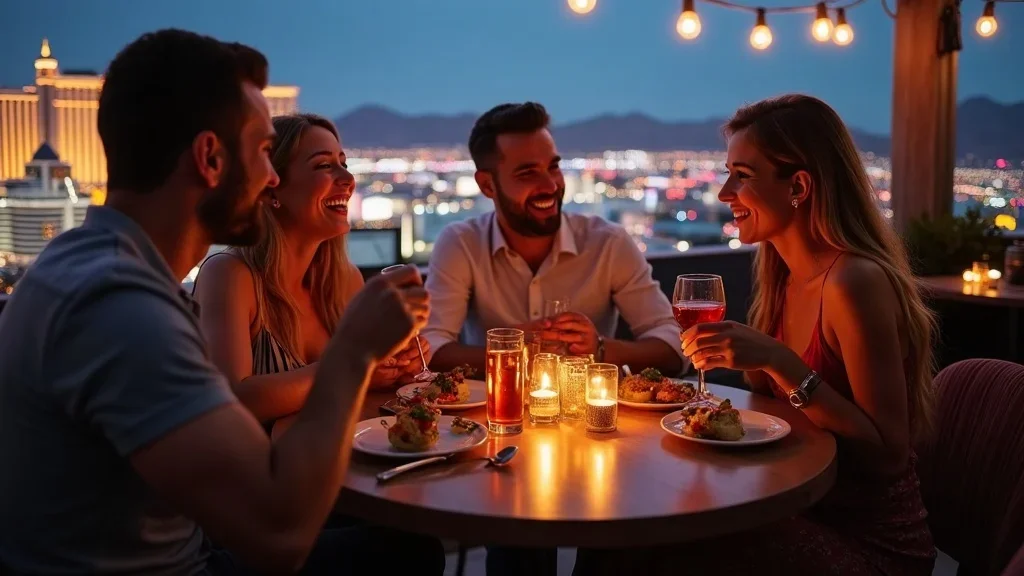
Imagine savoring gourmet dishes while gazing over the sparkling Las Vegas Strip as the sun sets. Exploring rooftop restaurants here means experiencing food with a view, turning every meal into an unforgettable night. Discover the best spots to elevate your dining experience in Las Vegas as we journey above the crowded casino floors and discover that rooftop dining is so much more than just dinner, it's a celebration of atmosphere, entertainment, and the city’s dynamic pulse. Whether you’re a first-time visitor, planning your next big celebration, or a local seeking new perspectives, Las Vegas rooftop restaurants offer an entirely new, and memorable, way to dine.What You'll Learn About Las Vegas Rooftop RestaurantsWhy rooftop dining is central to the modern Las Vegas lifestyleWhat sets the best Las Vegas rooftop restaurants apartNeighborhood differences: Strip, Downtown, Arts District, and moreHow rooftop venues blend hospitality, entertainment, and diningInsider tips on timing, reservation strategy, and local cultureLas Vegas From Above: How Rooftop Restaurants Redefine the Strip Experience"There's a kind of magic to stepping out above the Las Vegas Strip, cocktail in hand, the city twinkling below, it’s where dining becomes an experience and not just a reservation."Why Rooftop Dining Has Become a Signature of Las VegasThe rise of experiential dining in Las Vegas rooftop restaurantsThe evolving demand for venues that blend skyline views with nightlife and entertainmentHow atmosphere and sunset-to-night transitions have made Las Vegas rooftop restaurants must-visit experiencesIn the last decade, Las Vegas rooftop restaurants have become an essential element in the city’s hospitality scene. Diners aren’t just looking for a meal, they crave experiences that combine breathtaking views, insightful flavors, and immersive social energy. Las Vegas is the perfect city for this blend: the iconic Strip lights, The Sphere’s digital aura, and panoramic mountain silhouettes offer a sense of place you can’t find anywhere else. As more visitors and locals crave memorable evenings, rooftop venues have answered with curated atmospheres, evolving from simple eateries to all-evening escapes.Experiential dining isn’t just a catchphrase in Las Vegas, it’s a commitment. The best Las Vegas rooftop restaurants deliver an experience that begins before sunset: you’re invited for brunch and dinner, savoring culinary artistry with specialty cocktails as the sky shifts from gold to neon. Guests discover that a rooftop reservation here is more than a meal, it’s a front-row ticket to the city at its liveliest, often accompanied by music, warm hospitality, and the gentle hush above the Strip’s bustle. This is why rooftop dining now sits at the heart of the Vegas Valley lifestyle, offering both locals and visitors a new lens to see, and savor, the city.The Appeal of Skyline Dining in Las VegasContrast between casino-floor crowds and serene rooftop escapesThe role of lighting, architecture, and panoramic visibility in Las Vegas rooftop diningRooftop restaurants offer a refreshing break from the typical energy of casino floors. The feeling of rising above the fray leaving the throngs and slot machines behind for a peaceful, open-air retreat, defines the rooftop lounge experience in Las Vegas. Lighting and architecture play a major role: thoughtfully designed rooftop spaces employ string lights, fire pits, and panoramic glass, creating an ambiance that balances chic style with warmth. From the Strip to Downtown, each rooftop offers stunning views that highlight the singular beauty of Las Vegas at sunset and into the night.As the day fades, the ambiance transforms. Peaceful twilight gives way to the glittering energy unique to Las Vegas rooftop dining. Whether you’re lounging with tapas in the Arts District or sipping cocktails high above the Strip, these venues invite guests to soak in the serene, suspended calm while the city pulses below. The skyline itself becomes entertainment, the perfect backdrop for memorable evenings, no matter the season.What Makes the Best Las Vegas Rooftop Restaurants Truly Stand OutEssentials of a Great Rooftop Lounge ExperienceSkyline, Strip, and Sphere visibility: What views matter most?Cocktail programs, curated music, and lounge ambianceSunset seating, service style, and seamless transition from day to nightWhat separates a run-of-the-mill rooftop from the best rooftop restaurants in Las Vegas? First, the views must be exceptional, guests want to take in the Strip, the Mountain West horizon, the glow of the Sphere, and city lights that stretch for miles. But views alone aren’t enough. The top venues feature innovative cocktail programs, curated music, modern design, and a lounge atmosphere where patrons feel invited to linger. Hospitality here is fluid: attentive service, flexible seating, and seamless transitions from cheerful brunch to golden-hour dinners and lively evenings.A standout rooftop lounge Las Vegas experience isn’t rushed. The pace is set for guests to fully embrace the transition from day to night, from sunset appetizers to late-night celebrations. The ambiance is more than backdrop; it’s a living part of your evening. Details like fire features, cozy nooks, and elevation above the city’s rush ensure every gathering, date night, celebration, or convention afterparty, feels special.Atmosphere-Driven Dining: Beyond the ViewWhy design, hospitality, and timing shape lasting rooftop memoriesHow Las Vegas rooftop restaurants blend food and nightlife for immersive eveningsThe essence of Las Vegas rooftop restaurants is their ability to create lasting memories. It’s not only about what you see, but how a space makes you feel, from the welcome at valet to the first toast beneath twilight skies. Design and decor reflect the breezy glamour of those times when Las Vegas was synonymous with upscale garden parties and starlit soirées. Service teams set the mood, helping guests savor both the meal and the moment.Many rooftop dining venues masterfully balance stunning views with lighting, curated playlists, and a cocktail-forward culture. As the evening unfolds, dinner often softens into social hour: guests move from plated entrées to lounge seating, ordering signature drinks and relishing the city’s energy. The best Las Vegas rooftop dining experiences stand out by blending these elements, design, service, timing, and atmosphere, into an immersive escape above the everyday.Strip Rooftop Restaurants: Where Las Vegas Energy Meets Skyline GlamourInside Rooftop Restaurants on the StripLuxury ambiance and the connection to resort nightlifePrime sunset reservations and people-watching cultureConvention crowds and weekend energy: What to expectNothing captures the pulse of Las Vegas quite like a rooftop restaurant perched above the Strip. These venues are more than dinner destinations, they’re part of the city’s entertainment tapestry. The Strip’s rooftop restaurants offer a blend of luxury ambiance, breathtaking views of iconic casinos and the Sphere, and the excitement of resort nightlife extending just beyond your table. Prime sunset reservations are coveted, and the energy is always high. People-watching is an art form here, with locals, convention-goers, and tourists mingling beneath a glowing skyline.From plush lounge chairs to chic fire pits and subtle gold accents, the decor reflects the breezy glamour of classic Las Vegas while catering to today’s crowd. Weekends are marked by social buzz, convention seasons add another layer of vibrancy, and every evening brings its own blend of spectacle and celebration. The rooftop lounge experience along the Strip is a true showcase of the city’s spirit, equal parts show-stopping and sophisticated.Las Vegas Strip Rooftop Dining: Entertainment Ecosystem"The Strip’s most celebrated rooftop restaurants feel like extensions of the city’s famed entertainment pulse, dinner often becomes the start of the night."Rooftop restaurants on the Strip are seamlessly tied to the rhythm of Las Vegas nightlife. As the city lights flicker on, dinner turns into a prelude for an unforgettable night out. Many rooftop venues here feature live DJs, open-air dance floors, and transitions from sophisticated dining rooms to dynamic lounge settings. Specialty cocktails are an essential part of the equation, crafted to match the intensity and creativity of the city itself.This entertainment ecosystem means you can move fluidly from a gourmet dinner to late-night drinks, all with the city sprawling beneath you. Whether you’re looking for a memorable start to your Vegas adventure or a dazzling place to cap the night, Strip rooftop restaurants deliver both excitement and exclusive skyline access. These venues capture the city’s dual spirit, playful and poised, inviting every guest to be both part of the spectacle and above it, if only for an evening.Beyond the Strip: Discovering Hidden Gems in Las Vegas Rooftop DiningDowntown, Arts District, and Neighborhood Rooftop Lounge VibesLocal crowd dynamics in Downtown Las Vegas and Arts District rooftop restaurantsNeighborhood venues in Summerlin and Henderson: Relaxed pacing, fresh perspectivesTo experience authentic Las Vegas energy, head beyond the Strip to rooftop restaurants nestled in Downtown, the Arts District, Summerlin, or Henderson. These venues cater to locals looking to unwind and visitors seeking charm beyond the tourist playbook. Here, rooftop lounge settings feel more relaxed and eclectic, picture sunsets framed by city murals, craft cocktails, and cozy seating beneath string lights. The crowd is often a mix of regulars, creatives, and those in-the-know, giving each venue its own unique flavor.Neighborhood rooftop lounges in Summerlin and Henderson bring a different kind of energy: unhurried, community-oriented, and oriented toward those who appreciate local ingredients and creative hospitality. Unlike the Strip’s spectacle, these rooftops offer stunning views of the Vegas Valley mountains, cityscape, and of course jaw-dropping sunsets. The appeal of these hidden gems is in their ability to blend the best of Las Vegas with a sense of genuine welcome, free from the crush of large tourist groups.Why Some of the Best Rooftop Restaurants in Las Vegas Are Away from the StripLess tourist pressure, more authentic local experiencesUnique cocktail, dining, and entertainment culturesStepping away from the Strip uncovers Las Vegas rooftop restaurants with strong neighborhood vibes and a more personal touch. With less tourist demand, these venues can focus on authentic hospitality, tailored menus, and experimental cocktail programs that reflect the city’s evolving tastes. You’re as likely to encounter a jazz brunch as you are a happy hour DJ session, each rooftop lounge offers something a little different to keep evenings fresh.Locals know these rooftops as go-to spots for staycations, celebrations, and spontaneous nights out. They’re also a favorite for those who want to skip the reservation platforms and simply enjoy a relaxed skyline meal. If you’re looking to experience Las Vegas as its most passionate residents do, these off-Strip rooftops are unrivaled in atmosphere and originality.Las Vegas Rooftop Restaurants That Transform Into Nightlife DestinationsFrom Dinner Service to Rooftop Lounge: The Essence of Las Vegas EveningsCocktail-forward culture and DJ soundtracksGroup celebrations and date night appealThe blending of dining and late-night social energyMany Las Vegas rooftop restaurants evolve throughout the evening. What begins as an elegant dinner service gradually transforms into a lively rooftop lounge. DJs spin sunset soundtracks, signature cocktails keep flowing, and groups gather around fire features to toast the night. This is where the energy of rooftop dining Las Vegas blurs into the thrill of nightlife, making every visit a choose-your-own-adventure affair.Whether you’re planning a rooftop date night Las Vegas style or a group milestone celebration, these venues guarantee an immersive experience. The best rooftops are designed for seamless transitions: from candlelit tables to vibrant bar scenes, from quiet conversation to celebratory dance floors. You don’t just dine, you’re welcomed into a celebration where the city skyline becomes your stage, and every detail is tailored for fun and connection.How to Savor the Nightlife Transition"In Las Vegas, a rooftop reservation often means you’re set for both dinner and the afterparty, you’re simply moving from table to lounge as the skyline lights up."Making the most of Las Vegas rooftop restaurants means embracing the rhythm of the evening. Arrive in time for sunset, settle in for a meal with panoramic views, and then, just as the city begins to sparkle, follow the music to a nearby lounge section. Many rooftop venues intentionally blend their dining and nightlife programming, ensuring every guest has the chance to mingle, dance, or simply relax above the city lights.Locals and visitors alike favor rooftops that are as comfortable for a memorable meal as they are for a late-night social scene. The ability to start with dinner and linger until the after-hours is one of the unique pleasures of Las Vegas rooftop lounge culture.The Best Times of Year for Rooftop Dining in Las VegasSeasonal Weather, Skyline Sunsets, and Optimal ReservationsSeasonKey Rooftop ExperiencesLas Vegas Rooftop Restaurants TipsSpringComfortable eveningsOutdoor dining peakReserve early for sunsetsSummerLater diningHeat management importantPlan for summer breezes and late sunsetsFallIdeal rooftop weatherConvention overlapMidweek may be less crowdedWinterFire featuresHeated seatingLook for clear, crisp viewsHow Strip, Downtown, and suburban venues adapt to the seasonsBest times for skyline photos and memorable eveningsSeasonality plays a big role in the Las Vegas rooftop dining scene. Spring and fall are peak seasons, offering comfortable temperatures and vibrant evenings, perfect for sunset reservations and lingering after dinner. These months also coincide with convention season, so early planning is key to securing the best times and skyline views.Summer brings intense heat, pushing prime dining hours later into the evening, while rooftop venues counterbalance with misters, shaded seating, and specialty cold cocktails. When winter arrives, rooftop restaurants keep things cozy with fire pits and heated lounges, and the cool, crisp desert air delivers the clearest, most stunning city views of the year. Every venue, whether on the Strip, Downtown, or in local neighborhoods, adapts to weather and guest rhythms with effortless hospitality. No matter the season, there’s always a perfect evening above Las Vegas waiting to be discovered.Matching Las Vegas Rooftop Restaurants to Occasion and AudienceCurated Rooftop Dining CategoriesBest for Date Night: Romantic rooftop restaurants Las VegasBest for Celebrations: Large-group and milestone-friendly spotsBest for Sunset Views: Where to catch the best Las Vegas sunsetsBest for Cocktail Lovers: Standout rooftop bars and restaurants Las VegasBest for Visitors Seeking Skyline Photos: Las Vegas sunset restaurants with panoramic viewsBest for Group Gatherings: Social venues for lively eveningsEach Las Vegas rooftop restaurant shines in different ways, making them ideal for specific occasions. Date nights are unforgettable atop venues with private nooks, romantic lighting, and shareable plates. Celebrations come to life where group seating, creative menu options, and lively lounge areas blend seamlessly. Sunset enthusiasts should zero in on spots with west-facing terraces and panoramic city-to-mountain vistas, perfect for skyline dining Las Vegas style.Cocktail lovers flock to rooftops with celebrated bar programs and inventive drink lists, where mixologists craft the city’s best specialty cocktails against a dazzling skyline. For those chasing the perfect skyline shot, some rooftops offer rooftop settings underneath the open sky, panoramic visibility, and “golden hour” tables that guarantee epic photos of the dancing fountains and Strip skyscrapers. Finally, group gatherings thrive in social venues where upbeat music, engaging service, and relaxed pacing are the norm, proving Las Vegas rooftop restaurants are truly flexible escapes for all.Avoiding the Rankings: How to Choose the Right Rooftop Experience"The best Las Vegas rooftop restaurant isn’t just about the food or view, it’s how the atmosphere fits the moment you’re celebrating."Rooftop dining in Las Vegas should never be one-size-fits-all. Instead of chasing rank-ordered lists, focus on matching the rooftop venue to your specific plans and mood. Looking for an intimate night under the stars? Go for a romantic rooftop lounge. Gathering your crew for a “cheers to us” evening? Choose a venue known for lively group energy. Want to toast a milestone with spectacular Strip views? Find a spot with an unbeatable panoramic outlook and a cocktail menu to match.Las Vegas nightlife guides and date night experiences can help narrow your options, but the city’s rooftop restaurant scene is diverse enough for any occasion. Remember, it’s the alignment of timing, atmosphere, and purpose, not just the menu or skyline, that makes for a perfect Las Vegas rooftop dining memory.Local Insights: What First-Time Visitors Should Know Before Booking a Las Vegas Rooftop RestaurantPractical Advice from the RooftopsSeasonal sunset reservation strategy and ideal timingDress code expectations for various venuesUnderstanding Las Vegas wind conditions and how they affect outdoor comfortParking, valet, and ride share realities on the Strip versus local neighborhoodsThe impact of convention and event weeks on availabilityWeekend vs. weekday energy and crowd levelsSecuring the best rooftop dining Las Vegas has to offer requires a bit of local strategy. Start with sunset reservation timing: the most coveted slots are typically booked weeks in advance, especially during spring and fall. Many venues (especially those with spectacular setting underneath the skyline) offer reservations platforms, use them early for must-see views.Dress code expectations can vary: upscale dress or smart casual are standard, particularly for rooftop restaurants on the Strip. If in doubt, lean toward elevated attire, this city is all about style. Don’t forget to check local weather. Las Vegas wind can be brisk in spring and fall; some rooftops offer blankets or wind shields, but be prepared. Parking and valet lines on the Strip can be long during event and convention weeks, while off-Strip venues may have more relaxed parking and quicker rideshare access.Weekends see the liveliest crowds and highest demand, while weekdays (especially midweek) offer a more laid-back experience. Tap into local knowledge by asking about special nights, DJ sets, or themed events, sometimes, these are the city’s true hidden gold bars when it comes to unique rooftop evenings.Hospitality Expectations and Making the Most of Your Rooftop MealHow hospitality and service culture shape the Las Vegas rooftop dining sceneTips for navigating skyline dining with confidenceLas Vegas rooftop restaurants are known for their hospitality-first approach. Service teams are trained to help guests feel both welcomed and wowed, explaining specialty cocktails, offering photo tips, and guiding guests through sunset transitions from dinner to lounge. Don’t hesitate to ask for recommendations or to let staff know if you’re celebrating a special occasion; local hospitality often translates into thoughtful touches above and beyond the norm.If you want to experience the best of skyline dining, arrive a little early, order an aperitif, and let the host walk you to the perfect spot. If the weather is uncertain, ask about indoor/outdoor seating flexibility. Las Vegas rooftop dining is all about comfort and making guests feel on top of the world, both literally and figuratively.Common Questions About Las Vegas Rooftop RestaurantsWhat are the most romantic rooftop restaurants in Las Vegas?Many Las Vegas rooftop restaurants set the scene for romance with skyline views, soft lighting, and unique cocktail menus. Date night favorites often feature private seating, shareable plates, and a seamless transition from dinner to after-dinner drinks.Do Las Vegas rooftop lounges require reservations?Advance reservations are highly recommended for Las Vegas rooftop lounges, especially for coveted sunset and evening slots or on weekends and during convention periods. Some venues accommodate walk-ins, but availability is limited.Where can locals find great rooftop dining away from tourist crowds?Neighborhoods like the Arts District, Downtown, Summerlin, and Henderson offer excellent rooftop restaurants with a relaxed local energy, less tourist pressure, and genuine hospitality; these hidden gems are favorites among Las Vegas residents.FAQs About Las Vegas Rooftop RestaurantsIs outdoor dining available year-round at Las Vegas rooftop restaurants? Yes, most rooftops adapt with weather, using misters and shade in summer, heaters and fire features in winter, to maintain comfortable outdoor service all year.What’s the best time of day for skyline views in Las Vegas? The hour before and after sunset is prime for dazzling views and memorable photos, offering a spectacular setting underneath the changing sky.Are Las Vegas rooftop bars family-friendly? Some are, especially during earlier hours, but nightlife venues may enforce age limits after a certain time. Always check policies before making a reservation.How early should I book for popular dates? For prime slots on weekends, holidays, or during major events, book as soon as possible, at least two to four weeks in advance is ideal for most popular rooftop restaurants on the Strip.Can you visit a rooftop lounge for drinks only? Absolutely. Many Las Vegas rooftop lounges invite patrons for cocktails, light bites, and lounge time, even without a full dinner reservation.Is there a dress code for rooftop dining in Las Vegas? Most rooftop restaurants and lounges request an upscale dress code or smart attire, especially after dark. When in doubt, avoid shorts and athletic wear to ensure entry to more exclusive venues.Las Vegas Rooftop Restaurants in Motion: Featured Video ExperiencesKey Takeaways for Enjoying Las Vegas Rooftop RestaurantsRooftop restaurants are integral to the Las Vegas lifestyle, blending skyline views, dining, nightlife, and atmosphereVenues are best experienced across different neighborhoods and crowd scenesPlanning ahead with local insight ensures a seamless and memorable eveningIf You Enjoyed This Guide, Stay ConnectedIf you enjoyed this story, why not stay connected? Join Las Vegas Local Unplugged on Facebook and YouTube for exclusive local information. @lasvegaslocalunplugged





Write A Comment